Water against ground certainly never quits negotiating. Trends push and also fall. Hurricane rises probe for weak spots. Vessel wakes knock retaining wall panels like steady clubs. If you build or maintain waterside office resources, you deal with that discussions on a daily basis. Steel slabs bow, wood walls slip, as well as concrete doors crack under constant bending. Dirt fills, sheds strength, and attempts to lug tons it need to certainly never find. In this particular setting, helical tiebacks and also supports show their market value because they make the ground component of the architectural body instead of the enemy you combat period after season.
I discovered that course on a wharf task along a briny river where the proprietor presumed "temporary" tiebacks from the 1990s still had life left. They did, up until a winter months nor'easter incorporated with a king tide. The wall didn't fail totally, however it dispersed sufficient to bind a crane rail as well as shut down operations for two weeks. Restoring had not been the hard component. Persuading procedures to stage tools 5 feet even farther landward throughout installation was the true fight. Helical tieback anchor installation took five evenings, with twist kept an eye on in real time, and the wall has actually stayed within 3 millimeters of its positioning since then. That work bound a couple of techniques I offer every waterfront retaining wall: verify soil data, style for periodic filling, assume water will certainly be where you least expect it, as well as musical instrument the heck away from it.
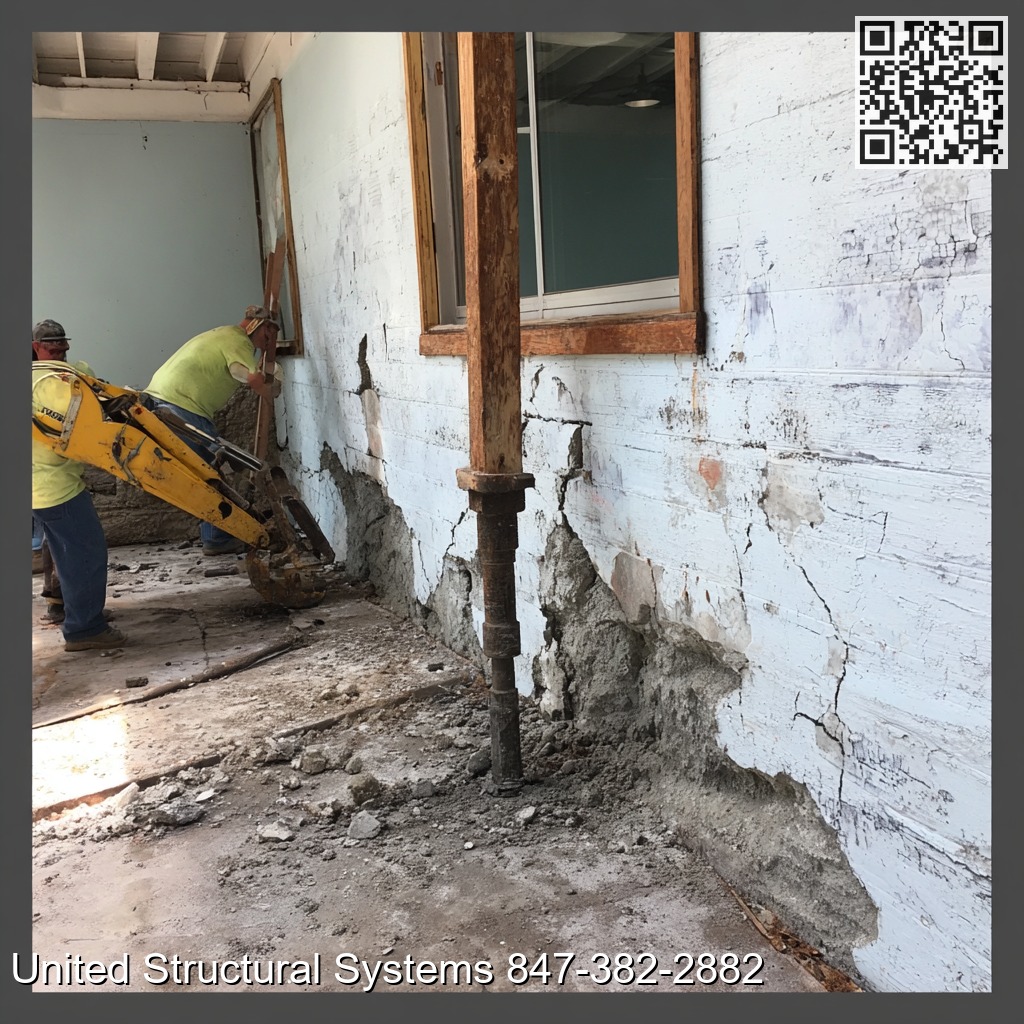
What a Bulkhead Wants: The Bunch Road as well as the Weak Links
Bulkheads perform as retaining walls along with water cheek by jowl and also surcharge bunches on the various other. In straightforward terms, the boards or even pieces take side pressure, the wales and hats dispersed that lots, and also the supports connect whatever back to a much more secure block of ground. The bunch course have to be actually crystal clear and also undisturbed. When you view a wall structure bowing near midspan between grains, or when tie pole heads start to corrosion bleed, you're taking a look at a lots road that is actually either small or compromised.
Helical tieback anchors deal with a relentless waterfront problem: finding trusted pressure capability in grounds that vary, wet, and also at times unconsolidated. A helical support is actually a steel ray with one or more helices that screw into the soil. The coil plates cultivate bearing in proficient strata while bum rap moves the stress back to the waler. Twist throughout installation associates to holding capacity. That single truth creates helical anchors compelling near water where digging exam pits is actually dangerous and also steering typical anchors can resound via sensitive structures.
In older commercial internet sites, you'll still discover rod-and-deadman units. They operate when you possess room responsible for the wall structure and dependable soil for a concrete deadman. However "area supporting the wall surface" is actually seldom readily available on a revenue-producing waterfront where every square shoe sustains hosting, storage, or rail. Helical tiebacks land right during that restriction. The devices impact is actually small. You may set up from the skin of the wall or a slim deck, as well as you can easily connect with capacity without big excavations.
Where Helical Tiebacks Make Sense
I reach for helical tiebacks in 3 repeating circumstances:
- Retrofits old lumber or steel slab heap retaining walls where access behind the wall surface is actually minimal and you require to maintain operations live. New commercial retaining walls with unsatisfactory to channel dirts in the top 15 to 30 feet and an experienced bearing level deeper, frequently heavy sand or glacial till. Projects asking for reduced vibration and also exact capacity management, like close to electricals, fragile buildings, or on piers with historical fabric.
That does not mean helicals are common. In quite smooth natural debris extending deep without a trustworthy bearing coating, a helical support can chase twist without ever nailing down. In those conditions, micropiles or drilled supports along with grout light bulbs may be the much better solution. Additionally, if you count on massive particles or even boulders, proceeding a helical through a cobble lens can be slow or not practical, as well as commercial micro pile installation or commercial resistance pile installation might take the lead. The judgment telephone call comes down to ground proof, constructability, as well as the amount of water you can handle during installation.
Soil, Water, and also Reality Checks
The greatest technical delegation still crumbles if your ground expectations are wrong. On waterfronts, dull logs age poorly, and periodic groundwater changes ground actions right into a moving aim at. I choose a two-pass approach. First, our team do conventional borings and CPTs at adequate terminals to brace the wall structure placement. Second, our team treat the initial half-dozen supports as instrumented probings. Our company log torque, seepage every transformation, and also pore stress actions at each coil elevation. When twist hops through a factor of pair of over a quick depth, you recognize you have actually hit quality or a stiff layer. When twist stays shateringly low past expected depths, you understand the design should go after a deeper layer or even switch to a various system.
Helical torque correlation variables differ. Suppliers as well as engineers typically make use of a pragmatic relationship of utmost ability equivalent to a multiple of setup twist. The several depends on cylinder kind, helix arrangement, and also dirt class. On beachfront tasks along with blended filler, I keep the security frame traditional. If the design requires 80 kips per tieback, I like to find a torque profile that supports 120 kips in the exact same dirt to represent cyclic bunches and achievable wash. You can easily back down with evidence screening, however I 'd rather possess scope in the records than a comfortable fiction.
Water makes complex every little thing, particularly when you pierce or even disrupt the dirt source. One perk of helical anchors is actually the lack of grout, which eliminates an entire category of water-related threat. However the water still affects installation torque and long-lasting rust. I specify rust loss allotments based on salinity and also oxygen supply, with fullness added to the shaft and also hot-dip priming as a standard. If the web site combines fresh stormwater as well as tidal deep sea, rust can outmatch assumptions due to the fact that oxygen bicycling remains high. In those zones, a polymeric covering or propitiatory anodes may pencil out over the life process, and it costs running the numbers.
Designing the Tieback System, Certainly Not Just the Anchor
Anchors get the focus, however tiebacks become part of an unit that includes the waler, the relationship hardware, the bulkhead panels, the backfill, and also the deck or piece that adventures on the top. I have substituted plenty of anchors that were actually still audio while the waler crack or corroded around them.
Start with connection tightness. If the waler has sufficient provide, the anchor bunches concentrate at the relationships closest to additional charges, and also your wall disperses unevenly. I like ongoing steel grains along with splice platters that leave behind no gaps at anchor locations. For lumber wales on much older wall structures, steel backing plates dispersed the lots and decrease obliterating. Components information concern. Big washing machines that appear reasonable in a submittal can leave you along with prying action as well as regional flexing. Suitable clevises and also enduring platters perform cost even more, yet they pay for on their own when you proof exam and also the load transfers precisely without eccentricity.
Proof as well as performance screening of a percentage of anchors is certainly not just a carton to examine. On one retaining wall along with 240 helical tiebacks, our team examined 10 per-cent to 150 per-cent of concept tons and observed activity designs that required our company to readjust embedment midsts through 2 to 4 shoes in a third of the wall. That change got rid of a soft lens concern that would have driven upkeep for many years. The cost of testing was a portion of rework.
Construction Sequencing in the Damp Zone
The absolute best concept can be reversed by a rushed pattern. Waterfront jobs reside in cramping windows governed through trends, allows, as well as operations. I intend around 3 truths: restricted accessibility, changeable water table, and stringent ecological controls.
On get access to, much smaller equipment for commercial helical pile installation and commercial helical tieback anchor installation is actually a good thing. A mini-excavator or a sleek monitor gear with a high-torque scalp may turn supports in to the ground with good control and also marginal interruption. If the wall mores than water, our company place the gear on a burst along with a potato body for reliability. For landside get access to, steel mats prevent rutting under the gear and also keep the additional charge uniform.
Water amounts influence hosting and also security. On tidal websites, I set up put in ruptureds when the forecasted reduced tide straightens with work hrs, after that guard the job deal with brief obstacles when the water gains. Where the wall water leaks, I possess the workers pre-stage pumps with verboseness. Pump breakdown during the course of an increasing tide can easily switch a dependable digging in to a risk within minutes.
Environmental managements are worthy of regard. Debris plumes are actually not flexible along with regulatory authorities, as well as spill sets are certainly not extra. Hydraulic liquid in the water is actually a project awesome. Our team utilize eco-friendly gas oils around water, as well as we confirm hose pipe health condition daily. It takes discipline, however the choice is actually far worse.
Helical Tiebacks vs. Drilled Anchors vs. Deadman Systems
I maintain an easy psychological contrast when advising owners. Helical tiebacks are swiftly, quiet, and also proven with twist and also proof screening. They radiate in adjustable grounds where a competent layer is within reach as well as where you can easily not accept vibrations. Pierced supports along with grouted bulbs supply higher capabilities in deep gentle soils yet require rigorous grout management, cases in loose regions, as well as even more labor. Deadman as well as tie poles stay affordable when you possess realty behind the wall surface and also consistent soil, though they conflict with energies and also potential development. Mix and also match as needed to have. I have actually combined helical tiebacks along most of a product line and also drilled anchors in a brief scope where organic deposits forced the issue. The proprietor got the best worth without revamping the entire system.
When Micropiles Go into the Conversation
Micropiles and also helical piles provide cousins of the exact same function: finding capability in poor ground for tensile or even compressive needs. On waterfronts, micropiles appear where the wall structure certainly not just needs to have side restriction but also upright assistance for a limit or deck. If scour endangers to undermine shallow structures, micropile installation enters into deep foundation repair, as well as sometimes you tie the wall and deck alongside a common micropile framework. Micropiles carry higher loads along with small diameters, and also in an office setup they permit you string between energies. The trade-off is slower creation and the need for spoil monitoring, housing, as well as grout verification.
Helical piles likewise lug compressive bunches, and for many commercial helical pile installation scopes they supply much faster timetables along with cleaner websites. If the geotechnical account includes dense sands or even tense clays at available midsts, helical piles stand apart. Otherwise, commercial micro pile installation may lead. I typically indicate each on the exact same task: helical tiebacks for the retaining wall's sidewise system as well as micropiles or even resistance stacks for vertical loads at crane shafts or even fender piles.
Handling Movement, Monitoring, and Maintenance
Even a well-anchored wall structure relocations. That is actually certainly not failure; that is actually behavior. The inquiry is actually just how much, exactly how swiftly, and also whether it supports. Our team established activity limitations in both straight and vertical directions. For commercial foundation stabilization, I've used thresholds like 0.5 ins total side activity with an everyday fee limit throughout construction, after that a considerably lower lasting price. Shaking cord pressure assesses on the grains as well as tons cells on a sample of tiebacks supply information. Tip sensors at regular periods tell you if the wall structure is actually rotating as a system or even kinking between anchor factors. Instrumentation sets you back a tiny amount of job worth and also saves you from guessing at the source when something looks off.
Maintenance preparation is certainly not elegant, however it maintains worth. You prefer available anchor heads, defensive caps, and also area to re-tension or put up additional components without reconstructing the wall. In destructive splash zones, scheduled washdowns as well as aesthetic questionnaires capture finish reduction just before it becomes an architectural complication. Where freeze-thaw patterns pump water right into cracks, you combine foundation crack repair at the limit and also door joints, closing as well as, when required, stitching along with complex wraps that disregard salt.
Resist the Temptation to Over-Anchor
It's simple to believe even more supports equate to additional protection. Certainly not consistently. Over-anchoring can easily stabilize one sector of wall surface, shift load pathways, as well as develop stress risers. I when consulted with on a marina where a mid-project improvement order added 30 per-cent more supports in a 120-foot grasp without adjusting the waler concept. The outcome was waler distress and localized board splitting under slight hurricanes given that tons transfer concentrated at a handful of anchor aspects. The remedy was certainly not extra anchors; it was a constant steel waler along with suitable rigidity and better spacing. Balanced systems function far better than brute-force quantities.
Tying Anchors to the Much Bigger Structure Picture
Waterfronts are actually not single-purpose structures. You'll have buildings, conveyors, containers, rail, as well as cranes all relying on the stability of that side. Structural foundation repair inland usually stacks in to the same schedule, therefore set concerns. If the retaining wall moves, the property slab near the upper hand are going to transmit the information via splits as well as door misalignments. I have actually utilized resistance pile units at the building edge, helical anchors at the wall structure, and also a pliable junction in between the 2 to make sure that each device can move within a small variation without transferring tension. That thinking falls under commercial foundation repair at its own ideal: wed the right resources to the ideal problem.
Resistance piles should have a mention. They are great where clearance is actually limited and you require to drive piles making use of the skyscraper as response. For a retrofit stockroom abutting a retaining wall, commercial resistance pile installation permitted us to found bay pillars with marginal interior interruption, at that point link slab sides with dowels while the wall surface obtained brand-new helical tiebacks. The units matched one another instead of defending space.
Construction Narratives That Forming Practice
On a Gulf Coast venture, coil rejection happened at 18 feets where the borings predicted thick sand at 30 feets. Turns out an outdated riprap toe had actually slipped landward via years of maintenance. The workers experienced the resonance as well as the twist increased. Our company moved the support slant by 5 degrees and re-advanced, at that point logged the torque at deepness to verify capability. Without that on-site judgment, we would certainly possess shed a day chasing the incorrect course or, worse, damaged the shaft. I state this given that newspaper designs need to have industry adjustment, as well as your installer's experience matters as much as your spec.
Another job entailed a storm-damaged hardwood retaining wall where tieback anchors had actually corroded at the tidal zone, yet the failure only came to be obvious after a barge wake up fell down a part of backfill. The repair incorporated brand-new helical tiebacks, selective replacement of timber doors along with composite units, and also a compacted geogrid coating behind the wall surface to rearrange tons. Our experts staged work between cargo ship arrivals, in four-hour windows. Every time our team thought the sequence was toenailed, a ship would switch routines, and also our team had to pause with predisposed shoring in location. Pre-planned contingency actions maintained the web site safe and secure: short-term dental braces, sacrificial walers, as well as unnecessary pumps. The course: waterfront work incentives redundancy and disciplines optimism.
Cost, Plan, and Risk
Owners request amounts, and while expenses swing by area as well as get access to, a rough feeling assists. Helical tieback anchor setup generally manages lower than punched supports on a per-capacity basis when dirts participate, typically through 15 to 30 percent, and also schedules compress given that you miss grout cure opportunity. When you consist of use, environmental controls, as well as evidence screening, the advantage narrows, yet helicals commonly still succeed for retrofits.
Risk rests where you can easily not observe: not known blockages, underestimated corrosion, as well as ignored cyclic bunches. Relieve along with allotments in the purpose impediments, prework utility sweeps, as well as a realistic corrosion allocation. I create specs that pay for adjustment when subsurface reality contrasts materially from records. That fairness receives you far better rates as well as a staff that shares info quickly.
Integrating with Operations
On commercial sites, drops anchor, cranes, and also conveyors perform not stop for your ease. Sequencing the helical tieback deal with ship phone calls, tidal home windows, and also deliveries is a booking challenge. I demand regular look-aheads shown to operations and the wharf expert. On slim wharfs, our company denote "no setdown" zones as well as waypoints for forklifts that always keep loads off energetic anchor lines. Straightforward floor-leveling mats as well as brief protector plates safeguard recently mounted support minds while website traffic rolls. None of the is actually architectural wizardry, yet it maintains ventures away from trouble.
Quality Command That Really Matters
Field QC for helical anchors should be actually straightforward, repeatable, and also documented. I prefer 3 things logged every anchor: installation twist versus intensity, angle and placement validated with a jig or digital level, and evidence test results to the specified bunch along with displacement captured at specified periods. A photo of the head installation after installment with a range for endorsement assists months later when questions emerge. Where anchors travel through existing hats, epoxy pins or sleeves must be actually cleansed as well as adhered accurately. Careless bonding is actually how water shifts and splits increase. For structural foundation repair somewhere else on the site, always keep the same willpower. Excellent information assists future routine maintenance as well as, if ever before needed, insurance policy cases after storms.
What About Harsh Events?
No waterside manager neglects tornados any longer. Design for extreme occasions implies more than incorporating strength. It indicates expecting post-storm inspections and also rapid re-tensioning. I specify accessible anchor scalps along with defensive covers that can be eliminated rapidly. After a significant celebration, the staff checks tieback lots on an example and wall surface alignment along the whole entire line. If the wall took a smash hit and the loads changed, controlled re-tensioning takes the unit back to intended distribution. For wall structures near shipping networks where boats may make high wake up activities, I have started to feature fatigue sign in the tieback design, specifically for steel shafts staying in dash regions. The added thickness or even substitute coatings add up front end, yet the lifecycle price advantages are very clear after a few seasons.
When Base Cracks Speak Up
Cracks at the hat, the attire piece, or the backlands sidewalk typically inform you regarding your anchor unit just before instruments do. A transverse split near the wall structure that opens up after hurricanes advises differential movement or drain problems behind the wall structure. Foundation crack repair here is actually certainly not cosmetic. Routering, sealing, and mounting pin strings throughout strategic joints rejuvenate constancy as well as keep water from pumping in to the backfill. In cool temperatures, our experts likewise watch for freeze-thaw wedging that opens spaces around anchor heads. Wetness, salts, and small spaces become major routine maintenance products if ignored.
Sustainability and also Component Choices
Helical anchors lessen spoils as well as reduce mobilization demands, which lowers ecological impact, especially essential in delicate rivers. Galvanized steel continues to be common, however in some ventures, stainless parts ahead settings up make good sense because of assessment get access to and sprinkle exposure. Composite walers have actually started to appear, and also while I am cautious concerning new components near heat as well as UV, compounds deliver rust resistance that steel need to fight for. The practical answer often arrive on steel where expected, composite where rust is unrelenting as well as lots are actually modest.
Bringing Everything Together
Commercial watersides live or pass away through exactly how properly you deal with side the planet and water pressures at the edge. Helical tieback anchors, used attentively, turn a bulkhead right into a predictable, maintainable device. They partner properly along with helical piles, micropiles, and resistance piles around the website, making a toolkit for commercial foundation stabilization that matches the chaotic reality of dirts as well as water. Their staminas are confirmation, velocity, and also very little disruption. Their restrictions turn up in rich soft sediments without shouldering levels as well as in rubble-filled commercial helical pile design and installation ground that shuts out penetration. A good designer and also a seasoned installer can easily navigate those situations and also choose wisely.
The best end results I have actually viewed share common strings. The staff alleviates dirt data as assistance, certainly not gospel. They verification examination enough anchors to know and also adjust. They create the waler and also relationships to relocate bunch equally. They recognize water, think about tides, as well as shield the atmosphere. They include the wall surface along with the more comprehensive groundwork tactic, from structural foundation repair at nearby buildings to deep foundation repair for cranes and also devices. And they remain modest when faced with tornados, with instrumentation and accessibility that make it possible for swiftly examinations and adjustments.
Waterfronts never ever cease bargaining. With helical tiebacks as well as supports properly created and installed, you hold your side of the talk with confidence, day in day out, tide after tide.